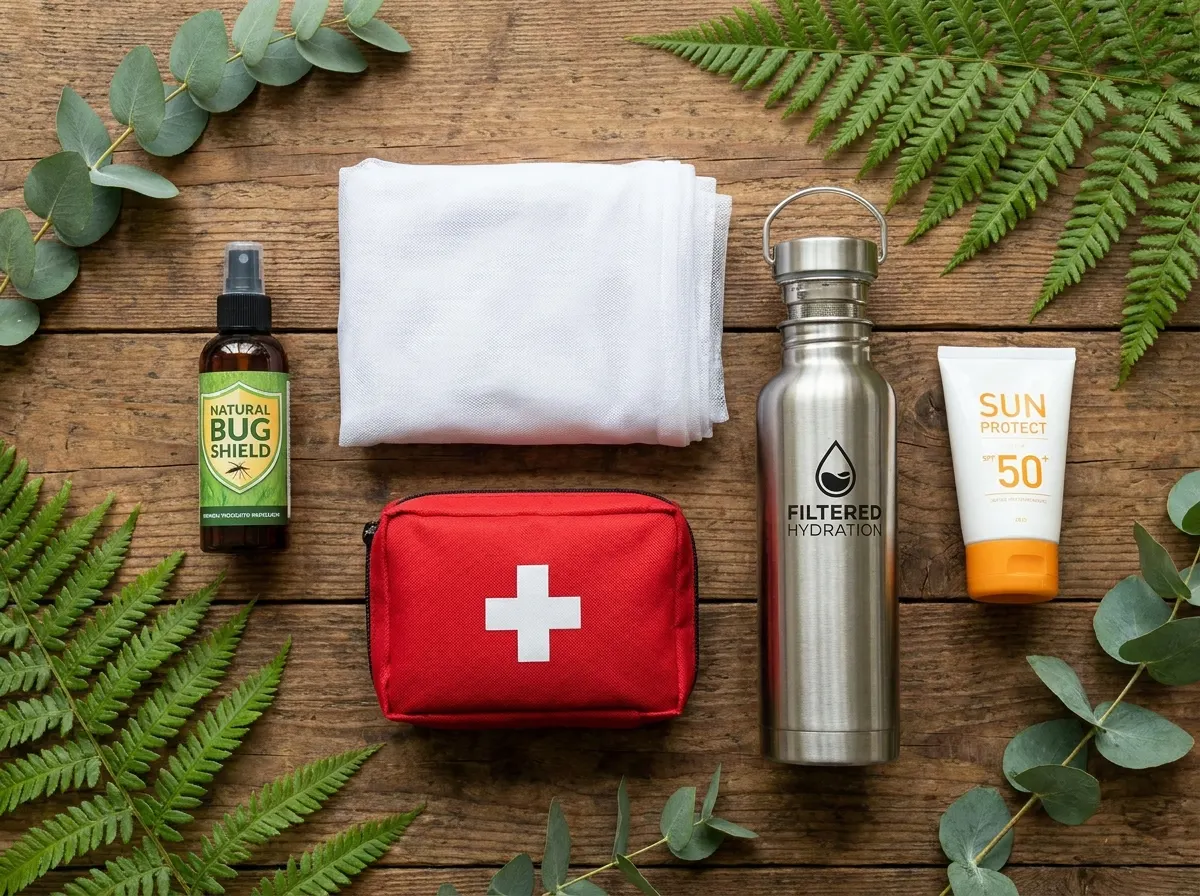
Practical health guide for Bukit Lawang travelers: malaria vs dengue mosquito prevention, safe drinking water rules, monkey bite care & 24/7 local clinics.
Preparing for a rainforest expedition into Gunung Leuser National Park means planning not only your camera gear and hiking shoes, but also your tropical health and medical readiness. Almost every international traveler heading to Bukit Lawang asks the same critical questions: Do I need malaria tablets? How do I prevent dengue fever? Is camp drinking water safe? And where is the nearest clinic or hospital if an emergency happens?
This field guide is provided for educational and informational travel reference only and does not constitute formal medical advice, diagnosis, or prescription. Individual health conditions, medication tolerances, and prophylactic requirements vary. Always consult a certified travel medicine physician or licensed healthcare professional before departure regarding personal prescriptions, anti-malarial prophylaxis, allergy management, and vaccinations.
This comprehensive field health guide—synchronized with our Rainforest First-Aid Field Guide and 24/7 Traveler Safety & Bohorok Clinic Directory—covers verified mosquito-bite prevention, water sterilization protocols, animal-scratch first aid, and exact emergency medical contacts across Bohorok, Binjai, and Medan.
Medical Awareness Notice: Explore Bukit Lawang is an independent collective of HPI member wilderness guides, not a medical clinic. The information below is compiled for field preparedness and does not replace professional medical advice. Always consult a licensed travel medicine clinic or physician 4 to 6 weeks before departure regarding personal vaccinations and prescriptions.
1. Malaria vs. Dengue Fever in Bukit Lawang: Understanding the Real Vector
When visiting a travel clinic before flying to Indonesia, it is important to distinguish between rural eastern Indonesia (such as Papua or Sumba) and the highland/foothill ecotourism corridor of North Sumatra (Medan – Bukit Lawang – Berastagi – Lake Toba):
A. Malaria Risk Profile in the Bohorok Valley
International health authorities classify the main North Sumatra tourist route as a low malaria risk zone compared to eastern Indonesia. Why? The Anopheles mosquitoes that transmit malaria prefer stagnant, warm standing water, whereas Bukit Lawang sits along the fast-flowing, rocky mountain gradients of the Bohorok and Landak Rivers (115m–580m ASL). While most short-stay visitors on 1-to-3-day treks rely on rigorous mosquito-bite prevention rather than daily antimalarial tablets, travelers embarking on 5-to-7-day deep wilderness crossings or visiting remote coastal islands (such as Nias or Pulau Weh) should discuss malaria prevention options with a travel medicine doctor before departure.
B. Dengue Fever: Why Daytime Bite Prevention Matters Most
Across Southeast Asia—including Medan and rural Langkat—the primary mosquito-borne health concern is Dengue fever. Unlike nocturnal malaria mosquitoes, the Aedes aegypti and Aedes albopictus mosquitoes that carry Dengue are daytime biters, with peak feeding windows in the early morning (07:00–10:00) and late afternoon (15:30–18:00) around shaded village verandas and garden foliage.
Because there is no universal pill for Dengue, physical bite prevention is your #1 defense:
- The "Sunscreen First, Repellent Second" Rule: Apply broad-spectrum sunscreen first, let it absorb into your skin for 10 minutes, and then apply an insect repellent containing 20%–30% DEET or 20% Picaridin on top. (If you run out, Indonesian repellent lotions like Soffell and Autan are sold at every Bukit Lawang village shop for
IDR 15,000–25,000 / €1–€1.50). - Lightweight Long Layers on the Trail: Wearing breathable, quick-dry long trousers and a long-sleeved sun hoodie on the trail protects you simultaneously from mosquitoes, land leeches (pacet), and thorny rattan vines.
- Use Tucked Mosquito Nets Every Night: Both in village eco-lodges and at our riverside jungle camps, always tuck the bottom edges of your 360-degree mosquito net firmly beneath your sleeping mattress.
- Clinical Warning on Fever Relief: If you develop a high fever, severe headache behind the eyes, or joint pain within 4 to 10 days of a tropical trip, visit a clinic for a rapid Dengue NS1 blood test and avoid blood-thinning pain relievers (such as Aspirin, Ibuprofen, or Naproxen) unless cleared by a doctor; use Paracetamol (Acetaminophen) and oral electrolytes instead.
2. Drinking Water, Ice & Food Safety ("Warung Stomach" Defense)
In 85% equatorial humidity, you will sweat heavily and need to drink 2.5 to 3.5 liters of fluids per day. At the same time, drinking untreated river or tap water can cause incapacitating gastrointestinal infections (Giardia or E. coli). Here is how water safety works in the village and deep inside Gunung Leuser:
| Water / Food Source | Safety Status | Verified Field Protocol |
|---|---|---|
| Village Tap Water & Raw Bohorok River | Do Not Drink Untreated | Never drink untreated tap water or raw river water while swimming or tubing. Use sealed bottled water or filtered gallon dispensers for drinking and brushing teeth. |
| Campsite Boiled Mountain Water | Potable (Boiled & Sterilized) | At our overnight jungle camps, cooks boil clear mountain spring water at a vigorous rolling boil (100°C) for 5–10 minutes in metal kettles. Safe for refilling your reusable water bottles, hot tea, and coffee. |
| Personal Trail Filters (0.1 Micron) | Safe on Tributaries | Hollow-fiber membrane filters (Sawyer Squeeze, Katadyn BeFree, or LifeStraw) remove 99.999% of bacteria and protozoa from clear upper mountain streams. (Note: UV pens like SteriPEN fail if water is silty). |
| Jungle Camp Meals & Fruit Platters | Freshly Cooked & Peeled | All camp lunches and candlelit curries are cooked fresh over high heat, and jungle fruits (pineapple, passionfruit, bananas, rambutan) have thick protective skins peeled right before serving. |
How to Handle Mild Traveler's Diarrhea on the Trail
If your stomach reacts to spicy chili sambal or unfamiliar tropical flora, remember that electrolyte rehydration is 10 times more important than stopping gut motility:
- Dissolve 1 sachet of Oralit (Oral Rehydration Salts / ORS) into 500 ml of safe drinking water and sip steadily after any loose stool, or to prevent heat cramps during steep climbs.
- Take Activated Charcoal tablets (Norit)—widely available at Indonesian pharmacies—to help bind mild dietary toxins naturally.
- Reserve anti-motility medication (such as Loperamide / Imodium) strictly for transit days (like the 3.5-hour drive to Medan Airport) when restroom stops are inconvenient, and never use it if high fever or dysentery symptoms are present.
3. The 4-Step Lifesaving Protocol for Macaque Scratches or Animal Bites
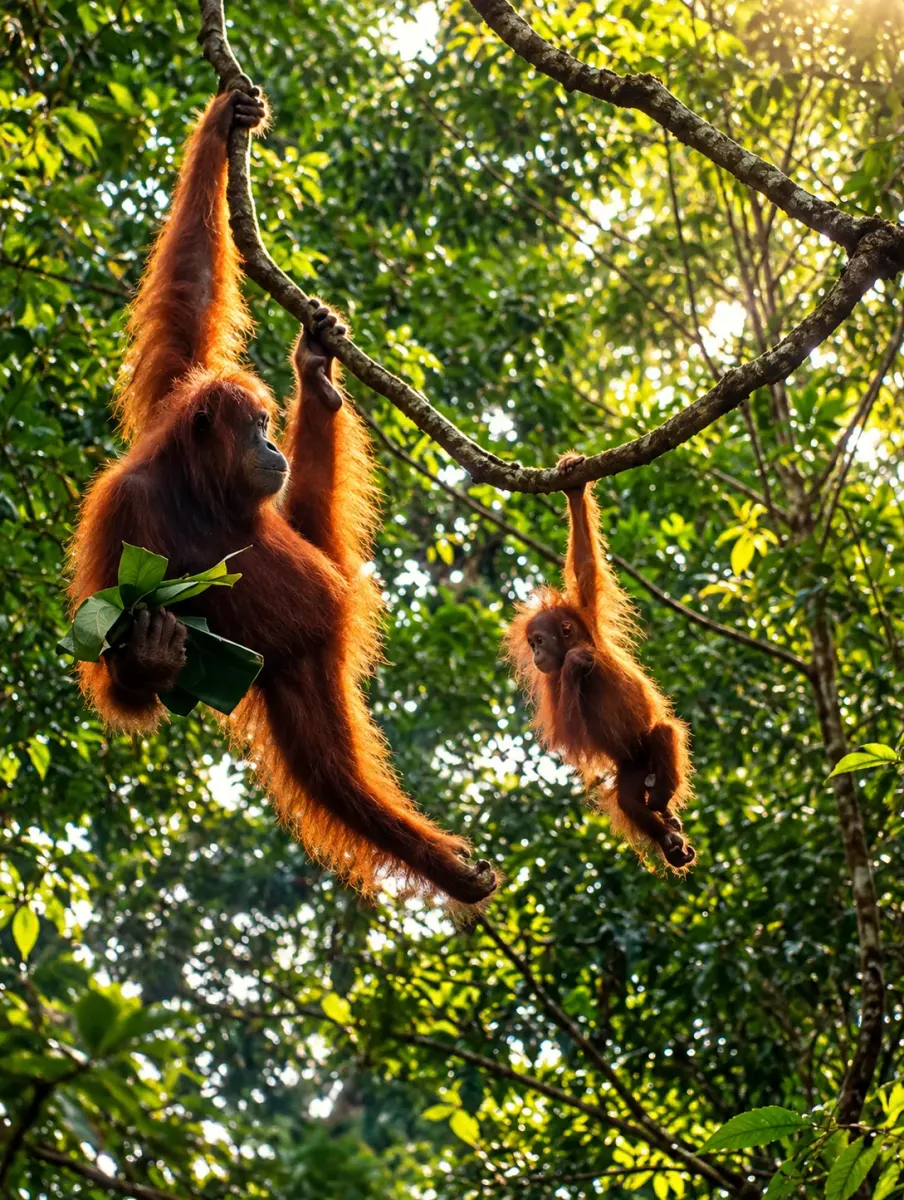
As detailed in our Ethical Wildlife Observation Rules, wild orangutans and Thomas's Leaf Monkeys are peaceful canopy dwellers that keep their distance when the minimum 10-meter rule is respected. However, Long-Tailed Macaques (Macaca fascicularis) near village bridges can become bold if tourists carry visible plastic bags or food snacks.
Because monkeys, stray dogs, and bats in Indonesia can potentially carry the rabies virus, any animal bite or even a shallow skin scratch must be treated immediately using our 4-Step Rabies PEP Protocol:
- Step 1 — Immediate 15-Minute Continuous Soap Scrub: Go immediately to the nearest clean running tap or poured bottled water supply and scrub the wound vigorously with soap or detergent for at least 15 full minutes. Clinical studies prove that thorough mechanical washing with soap destroys over 90% of the lipid-enveloped rabies virus at the entry site.
- Step 2 — Disinfect with Povidone Iodine (Betadine): Flush the scrubbed wound thoroughly with Betadine or 70% medical alcohol. Do not stitch, glue, or tightly seal an animal bite wound.
- Step 3 — Immediate Triage at Puskesmas Bukit Lawang / Bahorok: Alert your guide immediately to visit UPT Puskesmas Bukit Lawang (5–10 minutes from the bridge) for sterile medical cleaning and tetanus status verification.
- Step 4 — Same-Day Rabies Vaccine (VAR / Verorab) Administration: Transfer within 24 hours by private car to a hospital that stocks rabies vaccine, such as RSUD Dr. RM Djoelham Binjai (1.5 hours drive) or an international hospital ER in Medan (RS Siloam or RS Columbia Asia) to begin Post-Exposure Prophylaxis (PEP).
4. Medical Clinics & Hospital Evacuation Directory
Numbers and services last checked November 2026 and can change — please call ahead, or ask your guide to call for you. Save these emergency phone numbers—also accessible with one-tap calling and offline Bahasa Indonesia flashcards on our Traveler Safety & SOS Directory:
| Medical Facility / Agency | Distance from Bukit Lawang | 24/7 Phone Contact | Clinical Capabilities & Role |
|---|---|---|---|
| UPT Puskesmas Bukit Lawang | 5 – 10 Mins (Village Road) | +62 823-6180-0344 |
Primary 24/7 first-aid triage, wound dressing/suturing, IV rehydration, doctor on duty. |
| UPT Puskesmas Bahorok | 20 Mins (Pekan Bahorok) | +62 812-6058-5559 |
Sub-district inpatient clinic, emergency stabilization, tetanus & ambulance dispatch. |
| RSUD Dr. RM Djoelham Binjai | 1.5 Hours (Binjai City) | +62 61-882-1445 |
Regional hospital with X-ray and surgery; a common referral point for rabies vaccine (VAR) and antivenom (SABU) — call ahead to confirm stock. |
| RSUP H. Adam Malik Medan | 2.5 Hours (Medan Tuntungan) | +62 61-836-0143 |
North Sumatra’s apex government referral hospital, toxicology & polyvalent snake antivenom ICU. |
| RS Siloam Dhirga Surya Medan | 3.0 Hours (Medan Center) | +62 61-8888-1900 |
International private tertiary hospital, 24/7 English-speaking ER, cashless travel insurance billing. |
| RS Columbia Asia Medan | 3.0 Hours (Medan Center) | +62 61-456-6333 |
International private trauma center, CT/MRI diagnostics, English doctors & embassy liaison. |
5. Essential Medical Kit Costs & Guided Safety Standards
Every Explore Bukit Lawang expedition is led by HPI member guides who carry a field first-aid kit on the trail. Here is a quick multi-currency cost reference for local pharmacy supplies and emergency transport:
| Medical Item / Service | Where to Obtain & Notes | Standard Rate (EUR) | Approx. Benchmark (IDR) |
|---|---|---|---|
| Pharmacy Pack (Betadine + Oralit + Repellent) | Bukit Lawang & Bohorok pharmacies (Apotek) | €5 / kit | €7 complete kit |
| Private Car Transfer to Binjai Hospital | Direct 1.5h door-to-door medical transfer | €35 / car | €40 / car |
| Private Car Transfer to Medan International ER | Direct 3h transfer to RS Siloam / Columbia Asia | €50 / car | €50 / car |
| 1-Day Orangutan Discovery + Tubing | Includes HPI member guides carrying a trail first-aid kit | €70 / person | €140 private (2-person min.) |
| 2D1N Jungle Camp + River Tubing | Includes boiled camp water, mosquito nets & 2 guides | €120 / person | €240 private (2-person min.) |
Save Our Offline Medical & Emergency Tools Before You Trek
Access 1-tap calling to Puskesmas Bukit Lawang, use high-contrast Bahasa Indonesia "Show Big" medical flashcards, or check off your 12-item Jungle First-Aid Kit.