
Gunung Leuser National Park is an authentic wild rainforest ecosystem. While our HPI member guides have exceptional tracking experience, wild animal movements depend on natural fruiting cycles and weather; sightings cannot be guaranteed. Maintain a strict 10-meter distance and never feed or touch wildlife. Read our full Wildlife & Travel Disclaimer.
0 of 14 Iconic Species Spotted
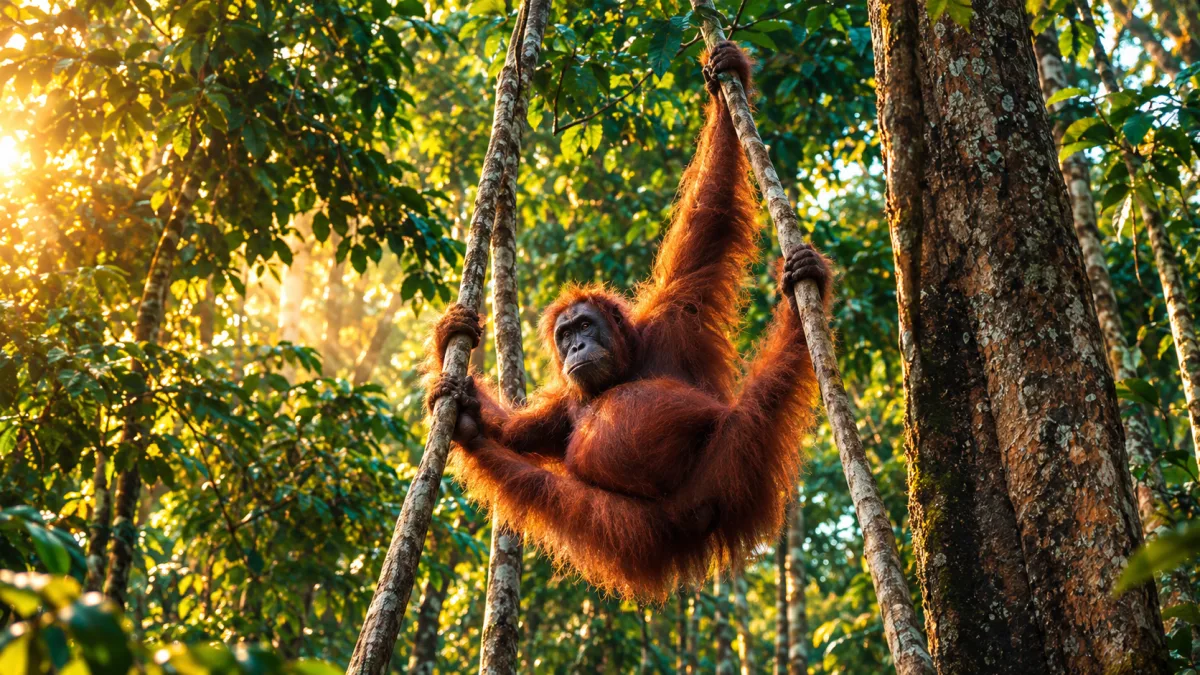
Sumatran Orangutan
The crown jewel of Gunung Leuser. Distinct from Bornean cousins by their lighter ginger-cinnamon fur, longer facial hair on males, and intensely social arboreal lives high in the canopy.
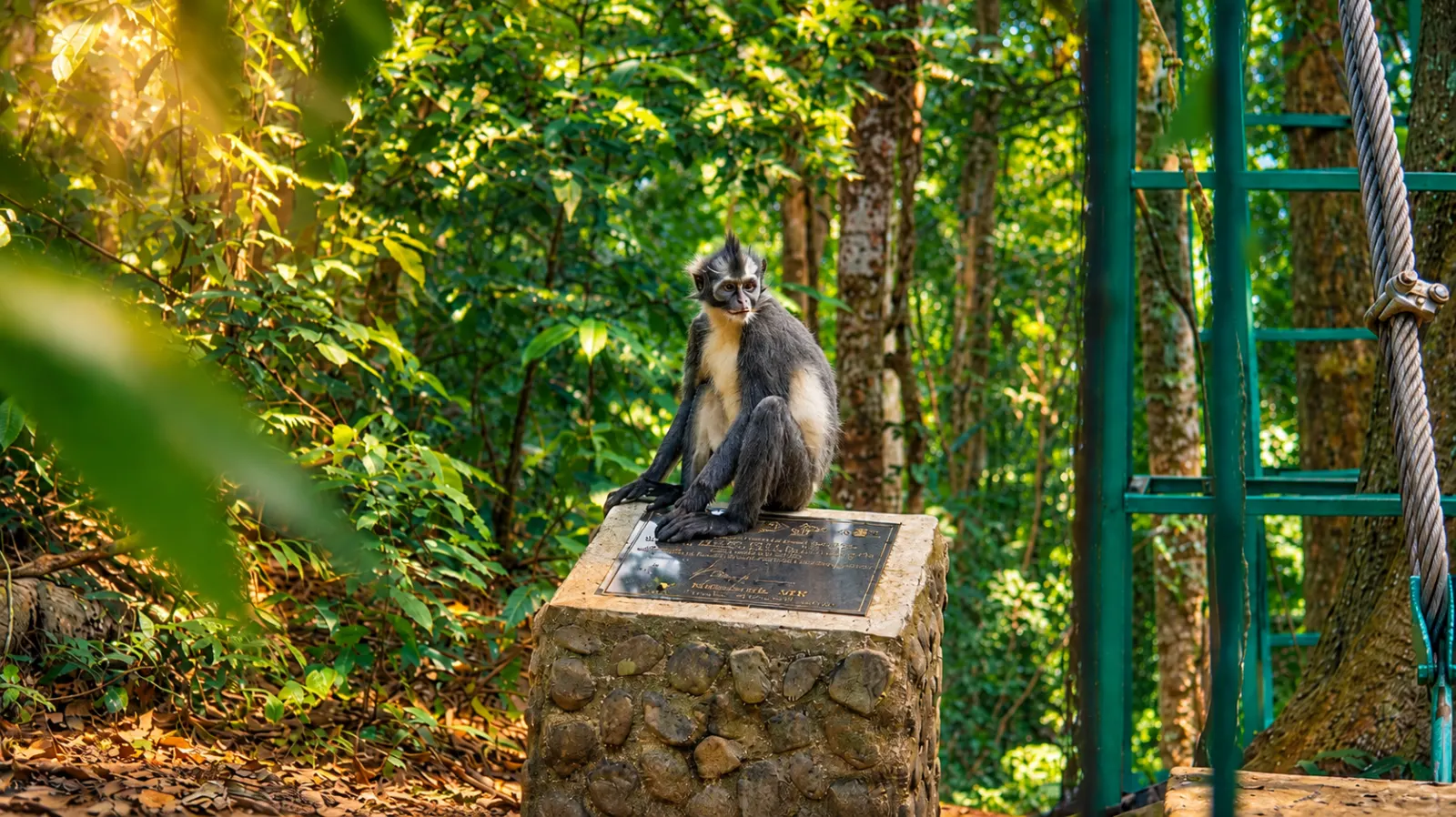
Thomas Leaf Monkey
Instantly recognizable by their stylish natural punk-rock mohawk crest, grey coat, and bright white belly with golden eye rings. Highly playful and vocal fruit eaters.
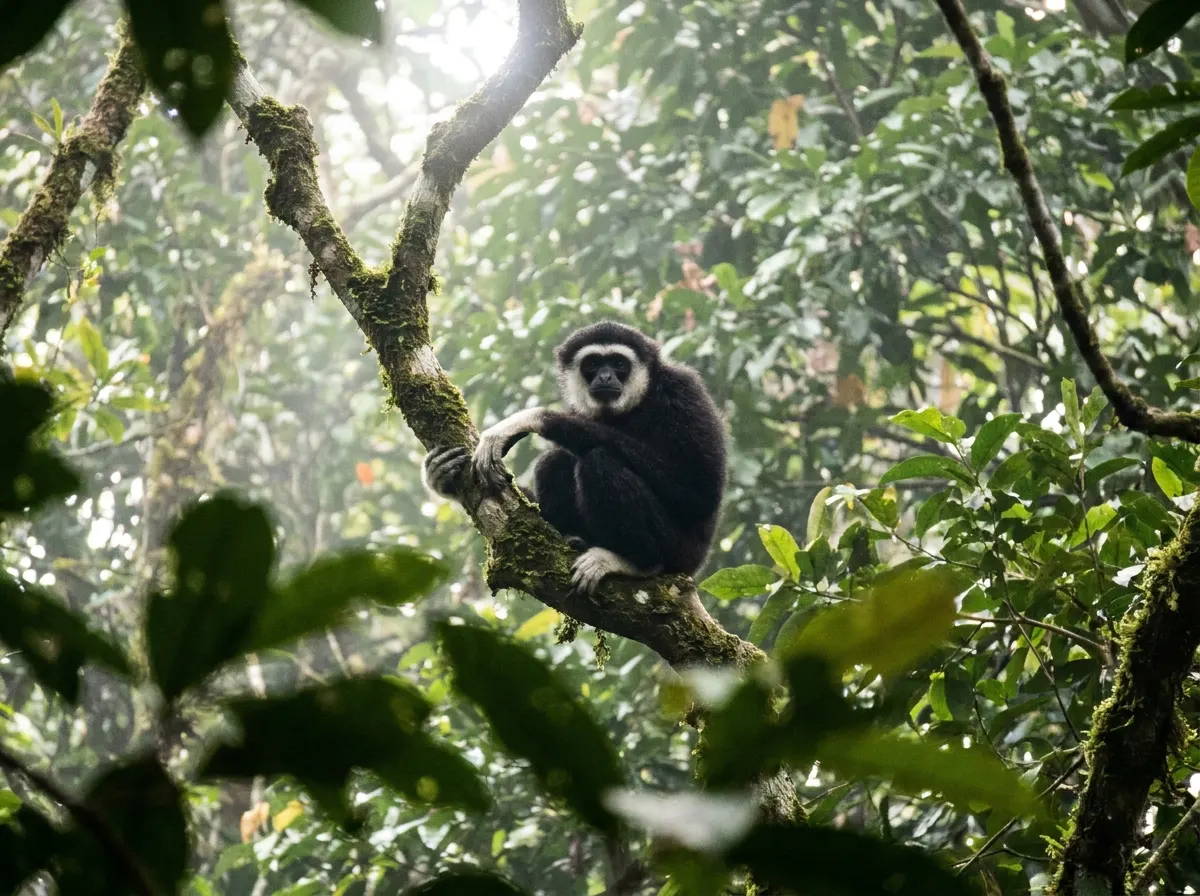
White-handed Gibbon
Masters of brachiation who fly through the jungle canopy at astonishing speeds. Their eerie, melodic territorial duet calls wake up Bukit Lawang every sunrise.
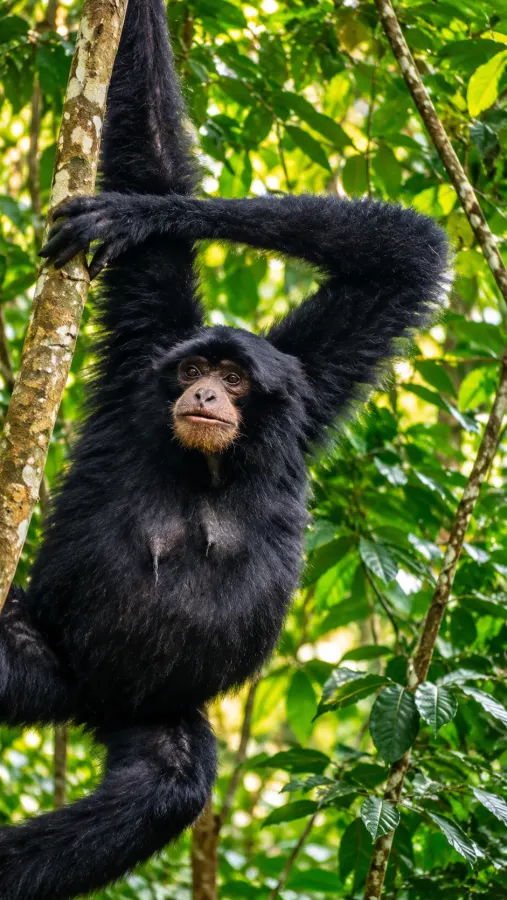
Siamang (Giant Black Gibbon)
The largest gibbon on Earth, with glossy black fur and a specialized inflatable gular throat sac that inflates like a balloon to amplify its booming, resonating territorial calls heard up to 2 miles across the Leuser valley.
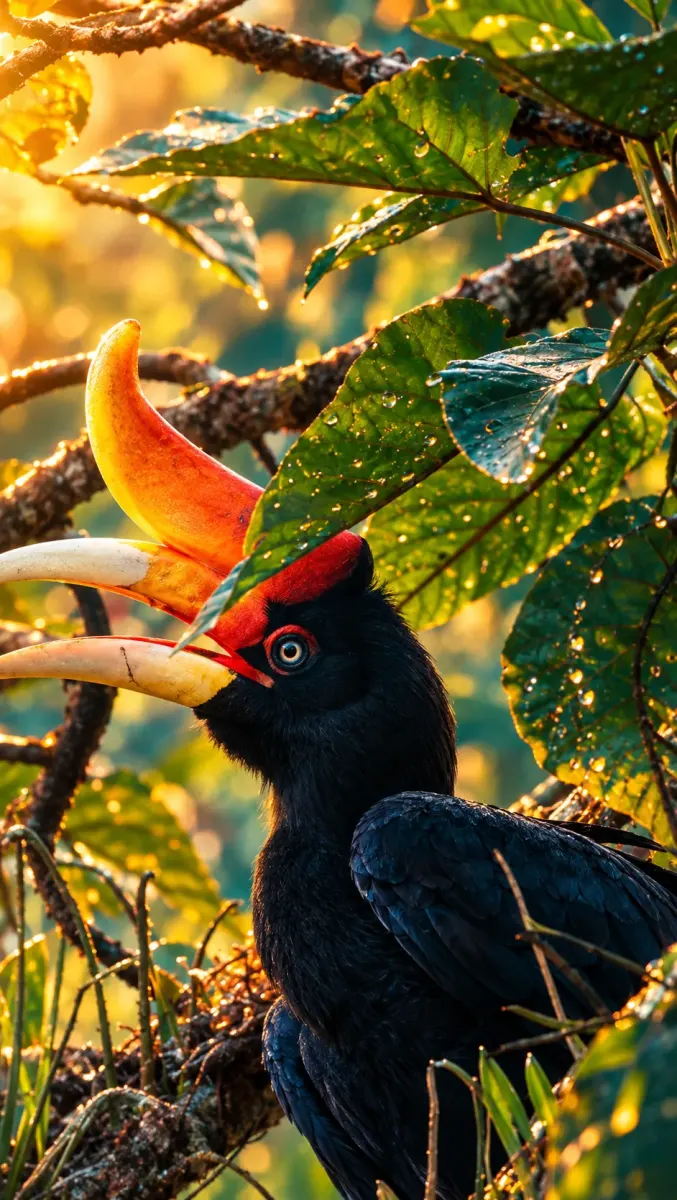
Rhinoceros Hornbill
Magnificent giant bird featuring a dramatic golden-orange casque curving upward over its beak. When they fly overhead, their heavy wings sound like a steam train chugging.
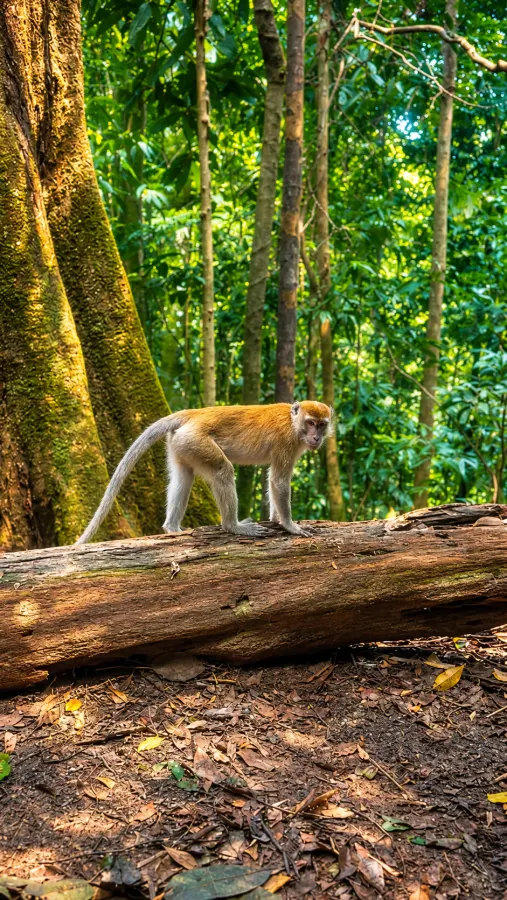
Pig-tailed Macaque
Sturdy, terrestrial monkeys with short upward-curling tails like piglets. Extremely intelligent and often forage in large ground troops along riverbanks.
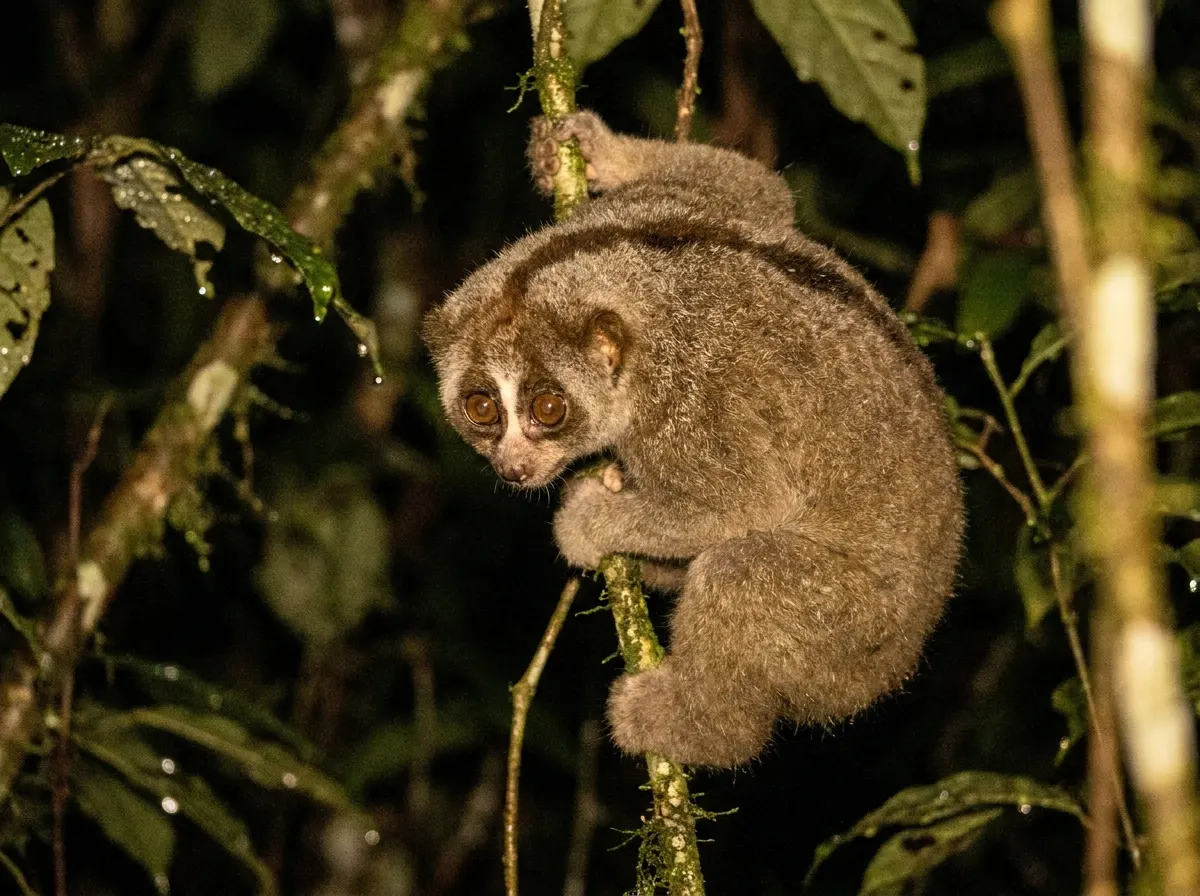
Greater Slow Loris
Enchanting nocturnal primate with huge reflective orange eyes and slow, deliberate climbing movements. One of the world’s only venomous mammals, producing a brachial gland secretion used for defense.
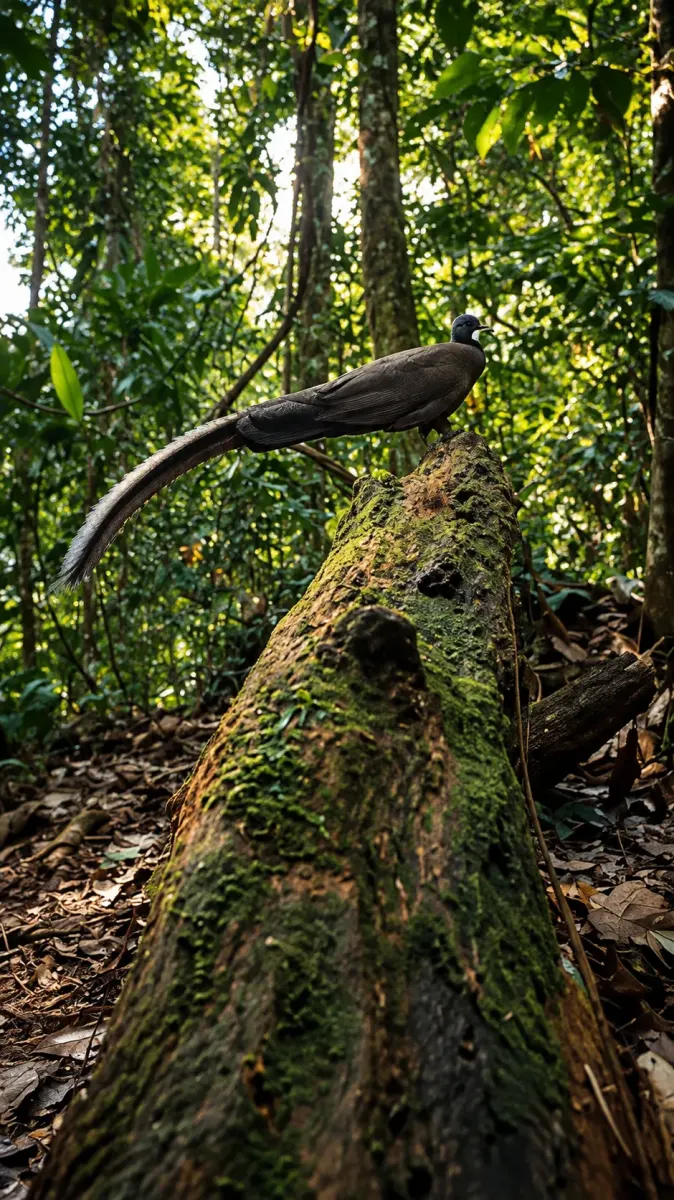
Great Argus Pheasant
Sumatra’s most spectacular forest floor bird. Adult males have enormous wing feathers decorated with optical eye-spots (ocelli) and maintain meticulously cleared circular dancing arenas on the jungle floor to attract females.
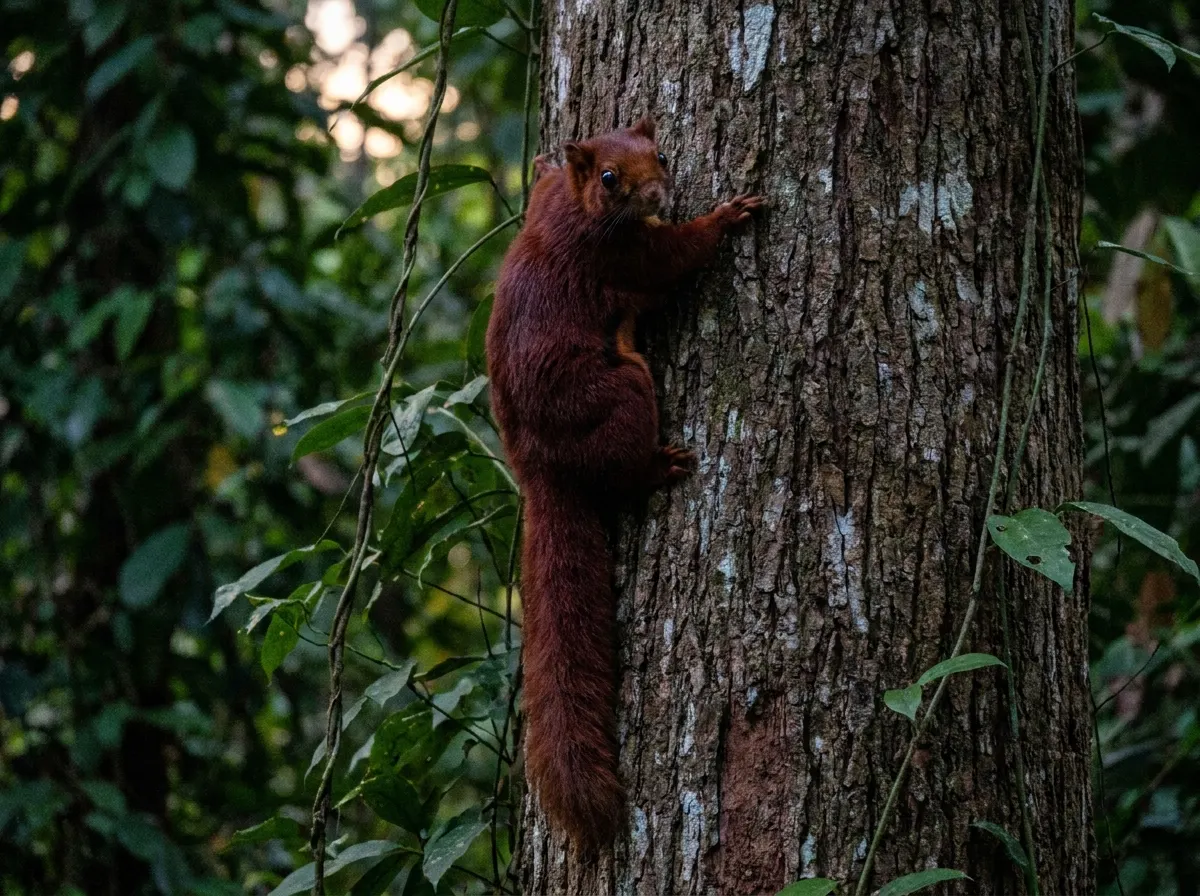
Red Giant Flying Squirrel
Large nocturnal glider with mahogany fur that glides gracefully between 40-meter canopy trees using a specialized patagium membrane stretched between its limbs, gliding up to 100 meters across river canyons.
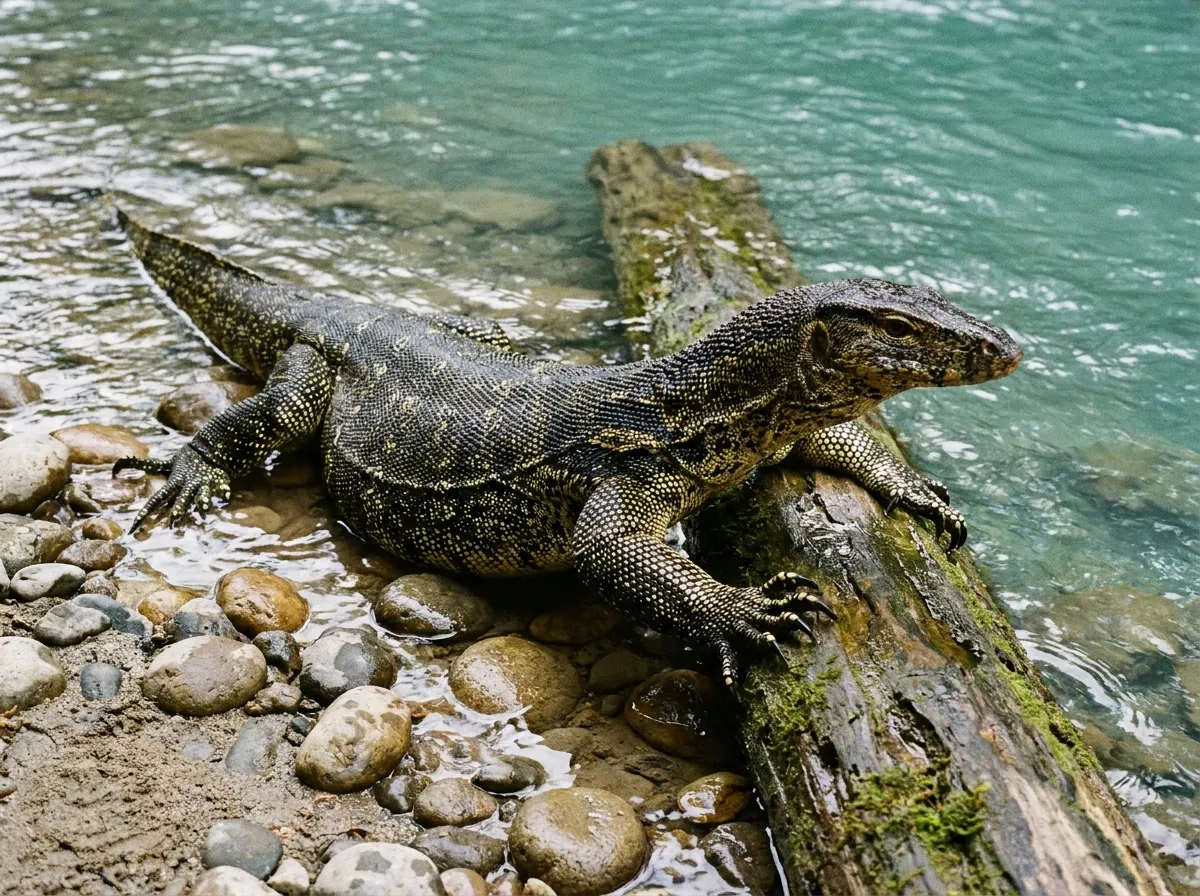
Asian Water Monitor Lizard
Sleek, powerful semi-aquatic monitor lizards reaching up to 1.8 meters in length, frequently seen sunbathing on warm granite river boulders or swimming effortlessly against river currents.
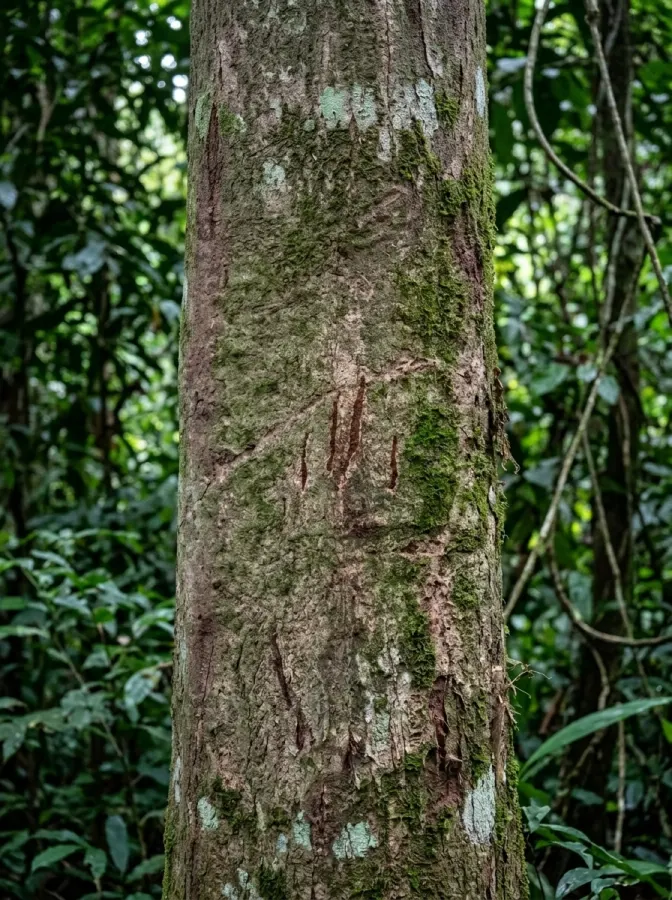
Malayan Sun Bear (Claw Traces & Habitat)
The world’s smallest bear species, with a distinctive golden-orange crescent chest patch. They use massive curved claws to tear open wild honey bee nests inside giant Dipterocarp trees and wild termite mounds.
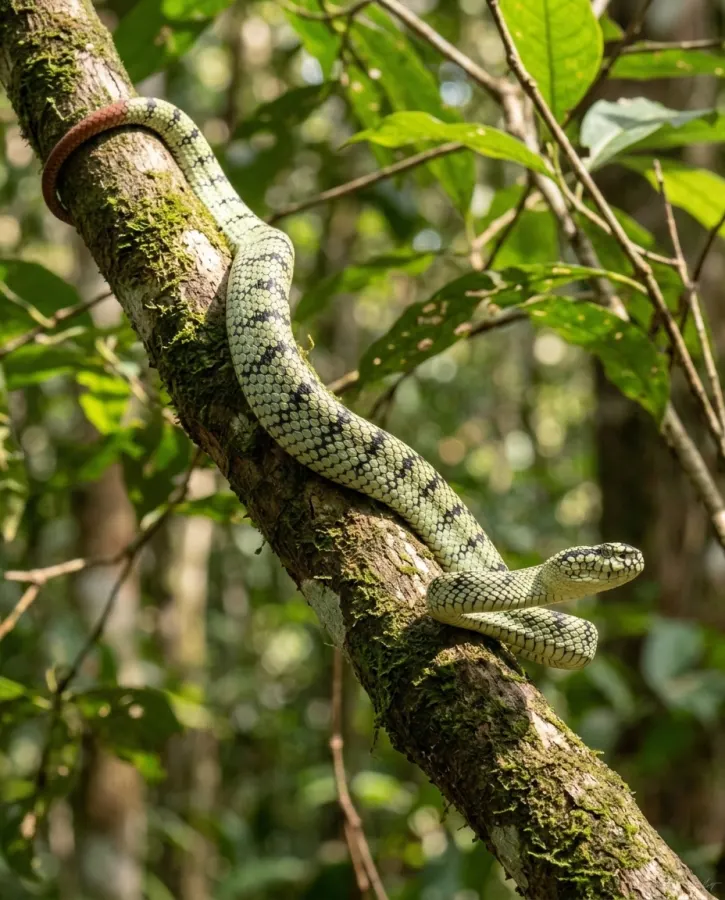
Wagler's Pit Viper (Sumatran Pit Viper)
Vividly colored arboreal ambush predator resting on low jungle branches (1-2 meters high) alongside streams. Completely motionless during daytime, waiting for tree frogs and lizards.
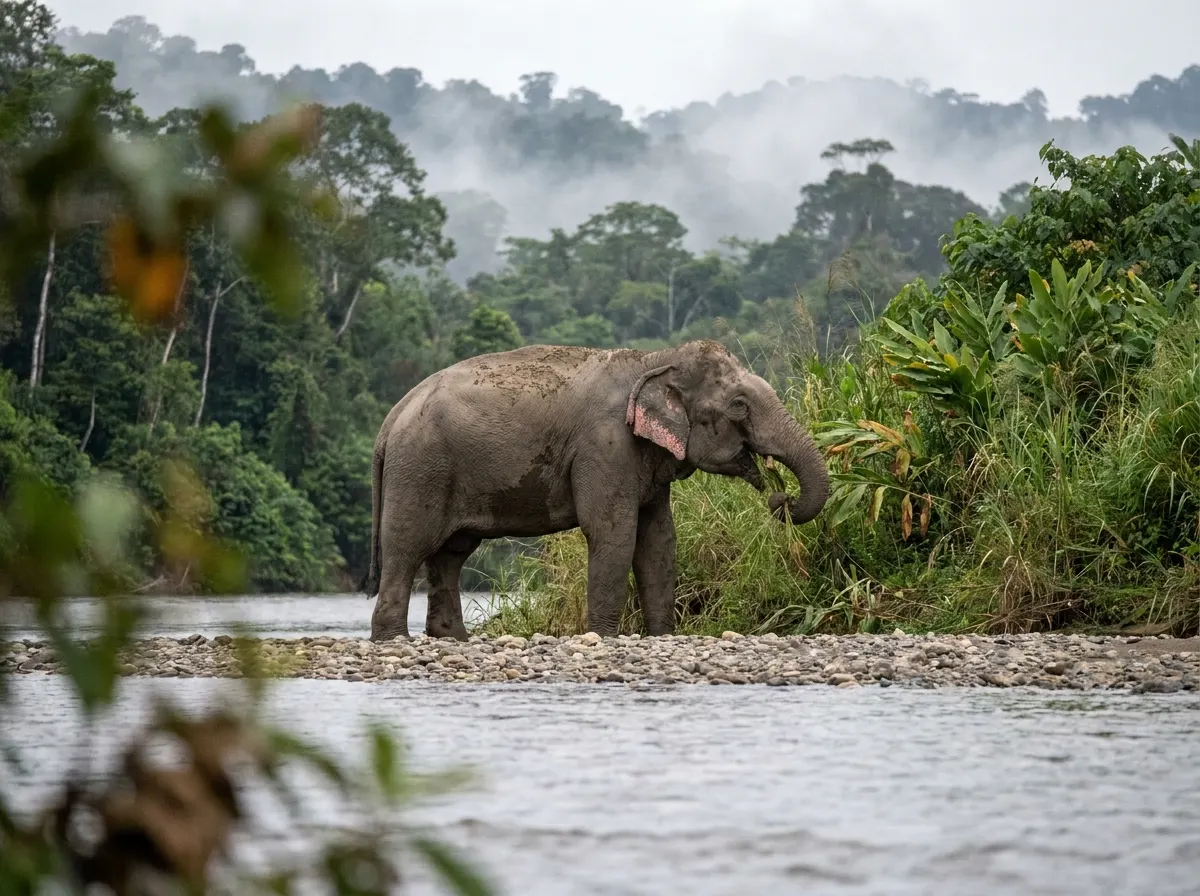
Sumatran Elephant
Subspecies of the Asian elephant native to Sumatra. Highly intelligent keystone species crucial for seed dispersal across the Gunung Leuser rainforest corridor.
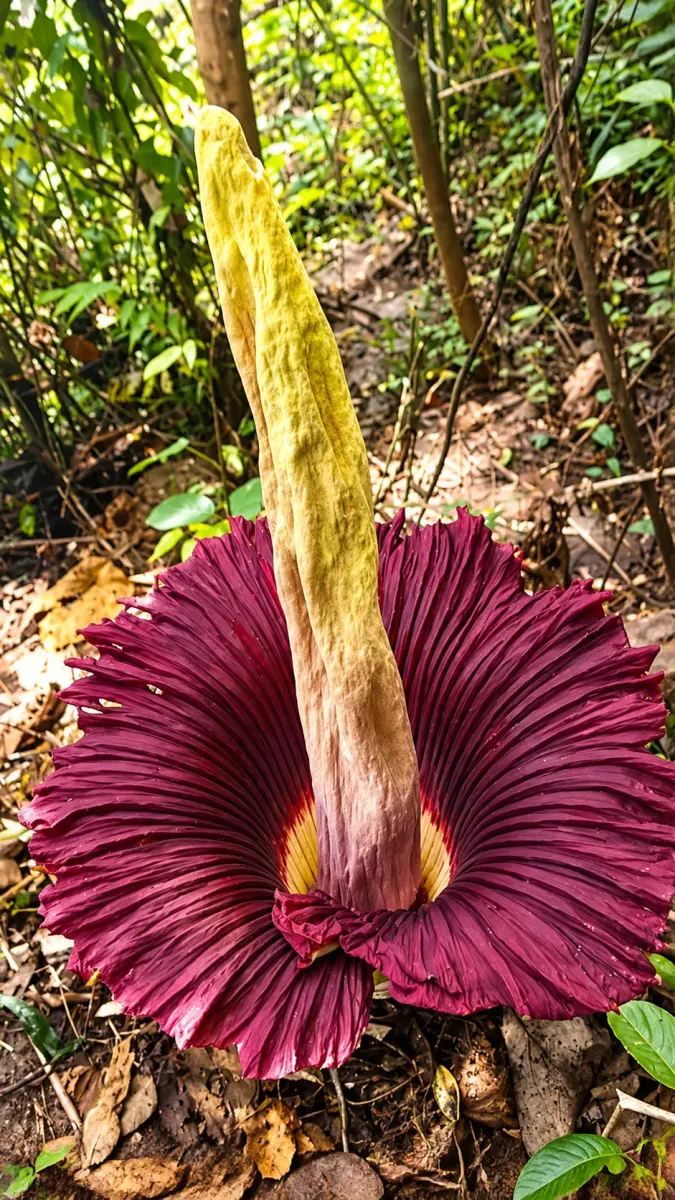
Rafflesia Arnoldii & Titan Arum
The world’s largest individual flower (Rafflesia, up to 1 meter wide) and tallest unbranched inflorescence (Titan Arum, over 3 meters tall). Parasitic botanical wonders native to Sumatran rainforests.
No Species Found
Try searching for "Orangutan", "Gibbon", "Hornbill", "Loris", or click "All Species" above.
Gunung Leuser Primate & Key Fauna Field Identification Matrix
Field-verified species matrix and ethical observation guidelines for primary rainforest trekking around Bukit Lawang.
Chapter 1: Master Wildlife Species Matrix Table
| Common & Scientific Binomial | Local Name | IUCN Red List Status | Canopy Stratum & Habitat | Peak Activity & Spotting Probability |
|---|---|---|---|---|
|
Sumatran Orangutan (Pongo abelii)
Sumatra endemic great ape
|
Orangutan Sumatera | CR • Critically Endangered | Upper canopy (15–30m) dipterocarp primary forest | Diurnal (07:00–11:00 & 15:00–18:00). High spotting probability with experienced local guides. |
|
Thomas Leaf Monkey (Presbytis thomasi)
Endemic punk-crest colobine
|
Kedih / Monyet Kedih | VU • Vulnerable | Mid-to-high canopy (10–25m) riverine slopes | Diurnal troop foragers. Very high sighting likelihood along entrance trail zones. |
|
White-Handed Gibbon (Hylobates lar)
Monogamous singing ape
|
Owa Ungko | EN • Endangered | Emergent canopy (25–40m) ridge tops | Early morning (06:00–08:30 singing duets). Moderate to high visual likelihood. |
|
Siamang (Symphalangus syndactylus)
Largest gibbon species
|
Siamang | EN • Endangered | High sub-montane forest ridges (20–35m) | Morning booming territorial calls echoing up to 2 km. Moderate visual probability. |
|
Rhinoceros Hornbill (Buceros rhinoceros)
Keystone rainforest seed disperser
|
Enggang Cula | VU • Vulnerable | Emergent fig trees and river valley corridors | Morning and late afternoon heavy wing-beat flights over Bohorok and Landak rivers. |
Chapter 2: Ethical Rainforest Observation & 10-Meter Wildlife Code SOP
Maintain a strict minimum 10-meter distance from all wild primates. Never crowd or encircle an animal. If an orangutan descends to ground level along your path, stop and yield right of way, calmly moving back under your guide's instruction.
Never feed, bait, or touch any wild animal. Feeding creates dangerous human habituation and exposes great apes to human respiratory and digestive diseases (flu, TB, COVID-19) that can wipe out vulnerable wild populations. Keep food sealed in dry bags.
Speak softly in low whispers when observing wildlife in the canopy. Turn off artificial camera flashes and phone video lights completely. Sudden strobe flashes startle nursing mothers and distress nesting canopy birds.
Every single piece of organic waste (fruit peels, snack wrappers, plastic bottles) must be packed out of the national park. Citrus and banana peels discarded on trails attract macaque troops and alter natural foraging behavior.
IUCN conservation designations, park rules, and seasonal primate spotting patterns are periodically reviewed reference information. Wildlife moves freely in Gunung Leuser National Park and encounters are never guaranteed; always verify active park rules at Balai Besar TNGL checkpoints.
