Trail & River Advisory
Jungle Camp Food in Bukit Lawang: Rainforest Cooking
Click to enlarge

Ask anyone who has spent a night under the canopy of Gunung Leuser National Park what surprised them most, and the answer is rarely the nocturnal cicadas or the morning river mist. Almost without fail, trekkers rave about the food. Emerging from six hours of ridge-climbing to find a five-dish feast sizzling over a riverside campfire is one of Southeast Asia’s greatest wilderness surprises. Here is how jungle camp chefs turn fresh village provisions into unforgettable rainforest comfort food.

€
Guide rates in this article are displayed in: EUR (€) Automatically converted from standard HPI Langkat reference tariffs (Base: EUR).
Switch currency in top header

1. From Village Market to Rucksack: The Morning Prep

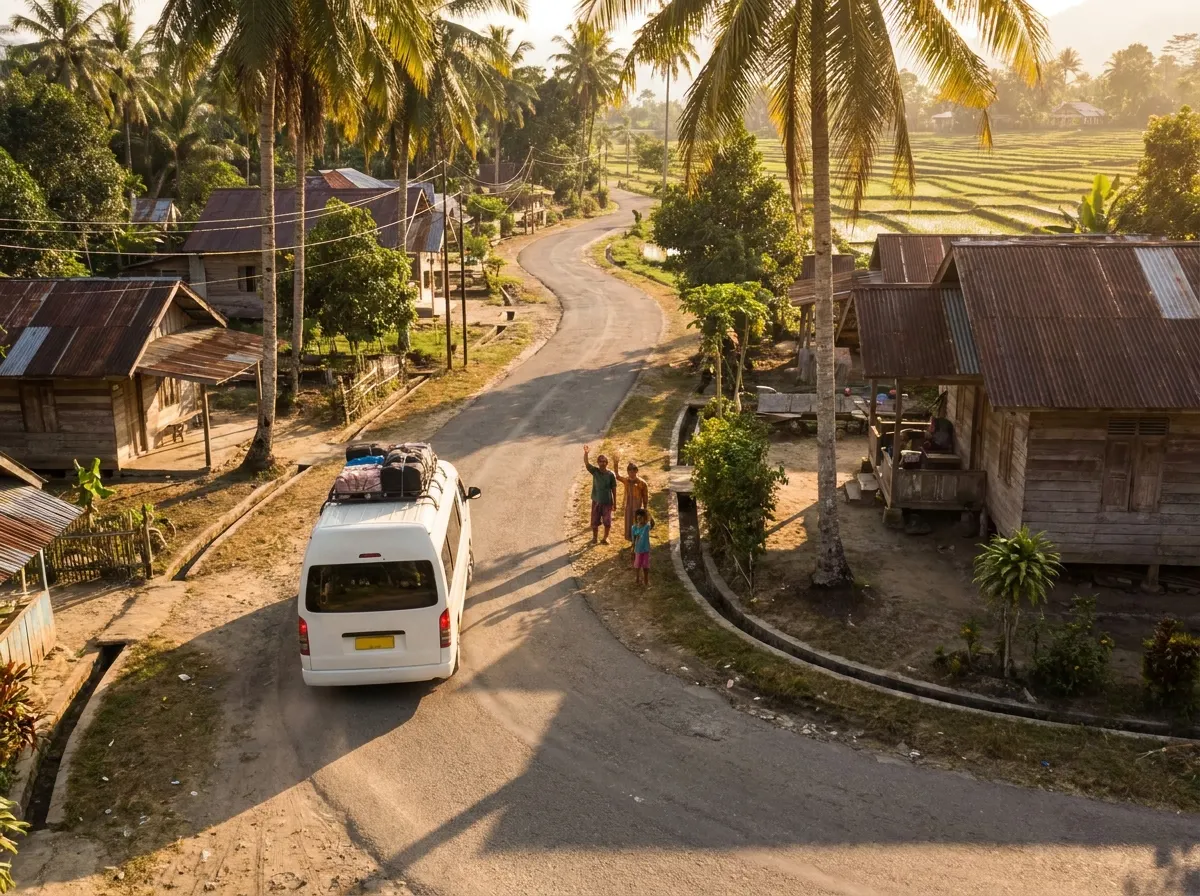
Long before trekkers lace up their boots at 08:30 AM, our camp cook and guide team make their early-morning pilgrimage to local markets. On Fridays, provisions come directly from Pekan Gotong Royong—the bustling weekly market where hillside farmers sell fresh produce brought down from the Karo highlands and Langkat river valleys.

Every component must balance nutrition, durability, and weight. Hardy root vegetables, freshly harvested ginger, finger-length turmeric rhizomes, galangal, lemongrass, red shallots, and fragrant kaffir lime leaves are packed alongside blocks of artisanal tofu, fresh soybean tempeh, and free-range local chicken (ayam kampung). Porters and camp cooks haul these provisions in waterproof, heavy-duty packs, ensuring delicate tropical fruits and leafy greens remain crisp despite humid jungle heat.

Ethical Trail Nutrition

Trekking through Gunung Leuser burns an estimated 3,000 to 4,500 calories per day due to steep incline climbs and tropical humidity. Our multi-day meal plans are carefully calibrated with complex carbohydrates, clean plant proteins, natural electrolytes, and antioxidant-rich wild greens to maintain sustained physical endurance.

2. Trailside Lunch: Banana Leaf Nasi Bungkus & The Fruit Extravaganza

Midday meals in the national park are an art form. Around noon, your guides select a shaded ridge or crystal-clear tributary bank. While you rest your legs, a multi-course picnic unfolds across broad, fresh wild banana leaves:

  • Eco-Friendly Nasi Bungkus: Steamed fragrant jasmine rice nestled inside folded banana leaves, accompanied by golden fried tempeh glazed in sweet tamarind, boiled farm eggs, spiced potato fritters (perkedel), crisp cucumber, and mild homemade tomato-chili relish served on the side.
  • The Famous Jungle Fruit Buffet: Guides carve an unbelievable mountain of freshly sliced tropical fruits right before your eyes. Depending on the harvest season, you will feast on wild passion fruit (markisa), hairy rambutan, purple mangosteen, sweet local honey pineapple, dragon fruit, and chilled watermelon.

3. Evening Campfire Feasts: The Jungle Banquet

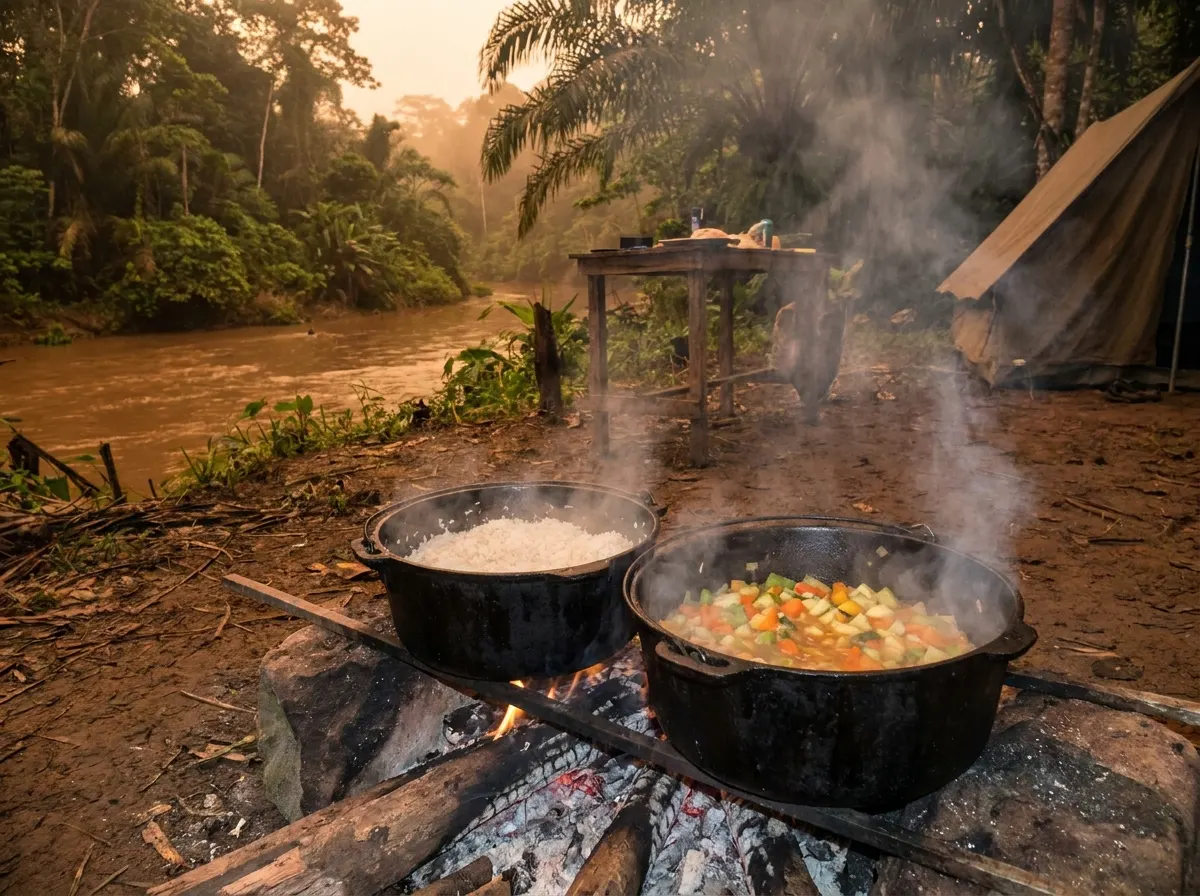
As dusk falls over riverside camps such as Alur Perak or the upper Landak River, camp cooks light wood-fire stoves built from river stones. While trekkers wash off trail fatigue in natural rock pools, the scent of crushed garlic, bruised lemongrass, and bubbling coconut milk drifts across the water.

Signature Campfire Dish Key Natural Ingredients Culinary Heritage
Kari Ayam Kampung Free-range chicken, freshly pressed coconut milk, bruised lemongrass, turmeric, galangal Traditional North Sumatran aromatic village curry
Sayur Paku (Wild Fiddlehead Ferns) Tender young river ferns, shallots, garlic, red chili, sea salt Wild rainforest foraging along unpolluted spring tributaries
Sambal Balado & Tahu Goreng Crisp tofu cubes, caramelized red curly peppers, local tomatoes, kaffir lime leaf Classic West and North Sumatran savory-sweet chili stir-fry
Perkedel Jagung Hand-shucked sweet corn, celery leaves, shallots, light rice-flour batter Crispy campfire fritters, a universal trekker favorite
Ayam / Jamur Masak Bambu Chicken or oyster mushrooms, forest herbs, stuffed in fresh green bamboo Ancestral Batak and Karonese bushcraft steam roasting

4. Rainforest Breakfast: Fueling the Next Climb

Mornings in the rainforest start gently with the distant territorial calls of gibbons and the aroma of boiling water. Jungle camp breakfasts are designed to warm cold muscles before morning river crossings:

  • Jungle Banana Pancakes: Made with local sweet mountain bananas, freshly fried in camp skillets and drizzled with raw forest honey or chocolate sauce.
  • Campfire Nasi Goreng: Wok-fried rice with sweet soy (kecap manis), seasonal vegetables, and a crispy sunny-side egg.
  • Mandheling Highland Coffee & Ginger Tea: Freshly brewed coarsely ground North Sumatran Arabica (kopi tubruk) or steaming mugs of wedang jahe (bruised ginger root with lemongrass and raw palm sugar).

5. Dietary Accommodations: Vegan, Vegetarian, Gluten-Free & Allergies

Indonesian cuisine is naturally one of the world’s friendliest food cultures for plant-based travelers. Because tempeh (fermented soybean cakes) and tofu originated in Indonesia, vegan and vegetarian trekkers are never treated to an afterthought—they enjoy protein-dense, flavor-rich feasts that frequently make meat-eaters envious.

Dietary Safety Standards

  • Dedicated Plant-Based Vegan: We substitute shrimp paste (terasi) and fish sauce with rock sea salt, fermented soybean paste, and hand-pounded shallot relishes.
  • Gluten Sensitivity & Celiac: Steamed rice, fresh river greens, roasted sweet corn, and unbattered proteins are prepared in dedicated skillets free from wheat-based soy seasonings upon advance notice.
  • Peanut & Tree Nut Allergies: Traditional peanut satay sauces are packed in separate airtight jars or completely excluded from the camp menu to avoid cross-contact.

6. River Water Purification & Cooking Safety

A primary concern among international travelers is water safety. How do jungle camp cooks ensure clean drinking water miles away from civilization?

  1. Sourcing from Pristine Tributaries: Camp cooks never draw water from downstream areas near human settlements. Water is harvested exclusively from high-altitude springs cascading over limestone rocks.
  2. The 10-Minute Rolling Boil: All drinking, tea, and cooking water is brought to an active, rolling boil for a minimum of 10 to 15 continuous minutes over campfire hearths before cooling.
  3. Refillable Canteen Protocol: Morning and evening, guides refill your reusable water bladders and insulated flasks, completely eliminating single-use plastic bottles in the national park.
  4. Cookware Sanitization: Dishes and utensils are scrubbed with biodegradable wash away from the main river stream and scalded with boiling water prior to drying.

7. Leave No Trace: Protecting Leuser Wildlife from Food Scraps

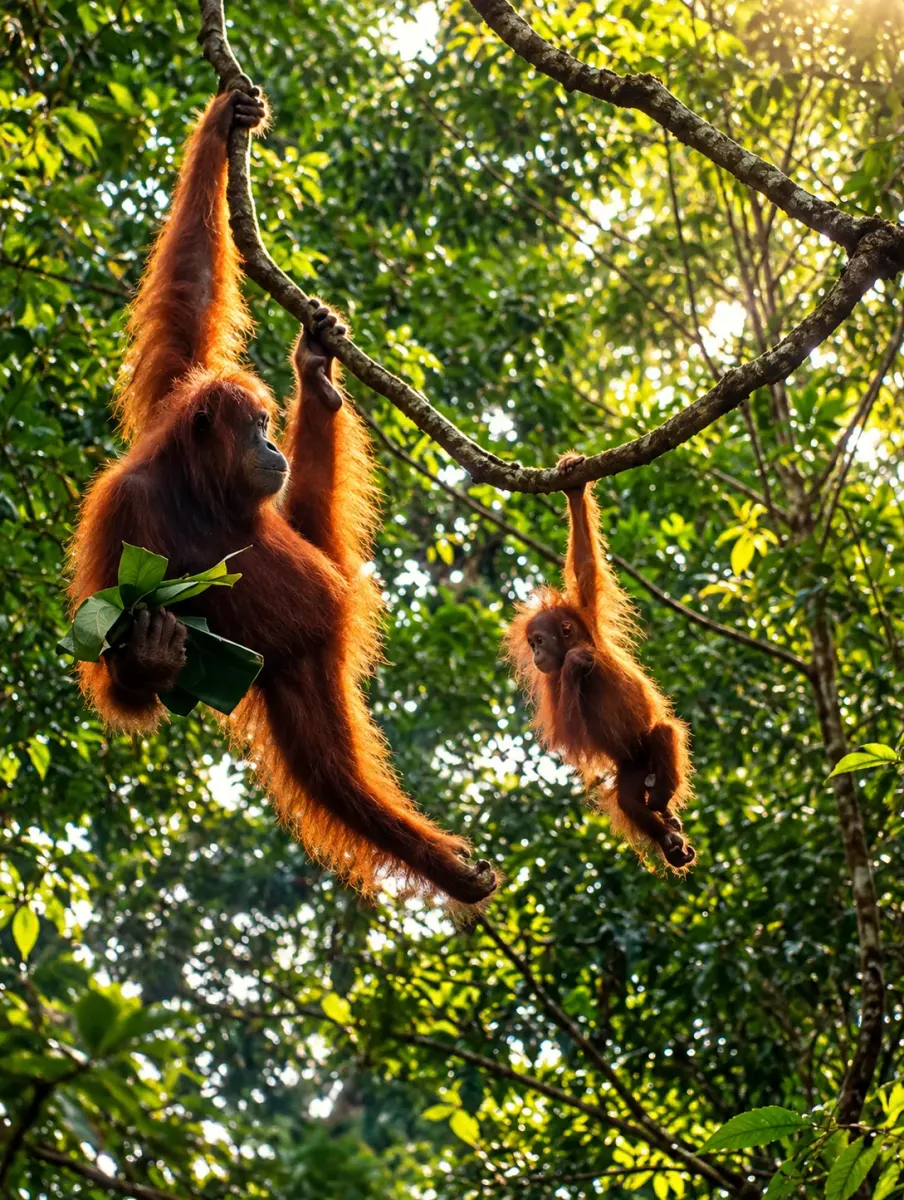
The most important ethical rule of jungle dining concerns wild animals. Feeding wildlife or leaving accessible food scraps irreversibly alters animal behavior, turning wild macaques, monitor lizards, and orangutans into aggressive food scavengers.

Strict Wildlife Dining Rules

  • Zero Food in Sleeping Tents: Never store snacks, cookies, or fruit peels inside your tent or backpack. Aromatic snacks attract nocturnal rodents and civets.
  • Deep Waste Pits: Biodegradable fruit scraps (watermelon rinds, banana skins) are buried in deep ranger-designated compost pits far from animal trails.
  • Strict Pack-In, Pack-Out: Every tea bag tag, cooking oil wrapper, and noodle package is sealed in heavy-duty trash sacks and carried back to Bukit Lawang for proper village disposal.
  • Minimum 10-Meter Distance: If curious long-tailed macaques approach during lunch, guides immediately cover all food to maintain strict human-wildlife boundaries.

8. Frequently Asked Questions (FAQ)

Can I request specific meals or snacks on my trek?

Yes. When booking our 2-Day Jungle Trek or 3-Day Leuser Expedition, let our coordinator know your dietary preferences. While meals are built around nutritious Sumatran staples, cooks happily tailor spice levels, vegetarian options, and fruit assortments.

Do I need to carry my own food during the trek?

No. All main provisions, camp cooking gear, fresh produce, and fruits are transported by local jungle porters and camp cooks. You only need to carry your small daypack with personal water, camera, and rain poncho. See our Jungle Packing Checklist.

Is the jungle food too spicy for Western palates?

Camp cooks deliberately prepare main curries and stir-fried greens mild to medium. Fiery homemade chili relishes (sambal) are served in separate side bowls, allowing spice enthusiasts to add heat without affecting others.

How is meat kept fresh without refrigeration?

Fresh chicken is purchased at market sunrise on day one, pre-seasoned with antimicrobial turmeric, salt, and ginger, and cooked on your first camp evening. For expeditions extending beyond two days, menus feature hardy plant proteins such as fresh tempeh, tofu, and legumes.

Taste the Magic of the Sumatran Rainforest

Pair thrilling wilderness hiking with authentic campfire feasts prepared by local HPI member guides and passionate jungle cooks. Every meal, permit, and camping necessity is completely included.

Explore Jungle Trek Packages Contact Our Collective

Share This Guide With Your Travel Partner Planning a Sumatra expedition together?
WhatsApp Facebook X Telegram Email
Explore Bukit Lawang Team
Verified Guide & Author • 15+ Years in Leuser

Explore Bukit Lawang Team

HPI Member Guides, Wildlife Naturalists & Conservation Collective

The editorial and expedition team of Explore Bukit Lawang — local HPI member guides, primate trackers, river captains and conservation educators born along the Bohorok River.

Experience Gunung Leuser In Person

Ready to Trek with Our Local HPI Guides?

National park permits, small private groups, and traditional river tubing included on every expedition.
Conservation & Ethics • 8 min read • 17 views • November 20, 2026
Jungle Camp Food in Bukit Lawang: Rainforest Cooking

What do you eat on a Bukit Lawang jungle trek? Discover campfire chicken curry, tempeh rendang, bamboo cooking, fruit feasts & jungle camp chef secrets.

Explore Bukit Lawang Team
Explore Bukit Lawang Team HPI Member Guides, Wildlife Naturalists & Conservation Collective

Ask anyone who has spent a night under the canopy of Gunung Leuser National Park what surprised them most, and the answer is rarely the nocturnal cicadas or the morning river mist. Almost without fail, trekkers rave about the food. Emerging from six hours of ridge-climbing to find a five-dish feast sizzling over a riverside campfire is one of Southeast Asia’s greatest wilderness surprises. Here is how jungle camp chefs turn fresh village provisions into unforgettable rainforest comfort food.

€
Guide rates in this article are displayed in: EUR (€) Automatically converted from standard HPI Langkat reference tariffs (Base: EUR).
Switch currency in top header

1. From Village Market to Rucksack: The Morning Prep

Long before trekkers lace up their boots at 08:30 AM, our camp cook and guide team make their early-morning pilgrimage to local markets. On Fridays, provisions come directly from Pekan Gotong Royong—the bustling weekly market where hillside farmers sell fresh produce brought down from the Karo highlands and Langkat river valleys.

Every component must balance nutrition, durability, and weight. Hardy root vegetables, freshly harvested ginger, finger-length turmeric rhizomes, galangal, lemongrass, red shallots, and fragrant kaffir lime leaves are packed alongside blocks of artisanal tofu, fresh soybean tempeh, and free-range local chicken (ayam kampung). Porters and camp cooks haul these provisions in waterproof, heavy-duty packs, ensuring delicate tropical fruits and leafy greens remain crisp despite humid jungle heat.

Ethical Trail Nutrition

Trekking through Gunung Leuser burns an estimated 3,000 to 4,500 calories per day due to steep incline climbs and tropical humidity. Our multi-day meal plans are carefully calibrated with complex carbohydrates, clean plant proteins, natural electrolytes, and antioxidant-rich wild greens to maintain sustained physical endurance.

2. Trailside Lunch: Banana Leaf Nasi Bungkus & The Fruit Extravaganza

Midday meals in the national park are an art form. Around noon, your guides select a shaded ridge or crystal-clear tributary bank. While you rest your legs, a multi-course picnic unfolds across broad, fresh wild banana leaves:

  • Eco-Friendly Nasi Bungkus: Steamed fragrant jasmine rice nestled inside folded banana leaves, accompanied by golden fried tempeh glazed in sweet tamarind, boiled farm eggs, spiced potato fritters (perkedel), crisp cucumber, and mild homemade tomato-chili relish served on the side.
  • The Famous Jungle Fruit Buffet: Guides carve an unbelievable mountain of freshly sliced tropical fruits right before your eyes. Depending on the harvest season, you will feast on wild passion fruit (markisa), hairy rambutan, purple mangosteen, sweet local honey pineapple, dragon fruit, and chilled watermelon.

3. Evening Campfire Feasts: The Jungle Banquet

As dusk falls over riverside camps such as Alur Perak or the upper Landak River, camp cooks light wood-fire stoves built from river stones. While trekkers wash off trail fatigue in natural rock pools, the scent of crushed garlic, bruised lemongrass, and bubbling coconut milk drifts across the water.

Signature Campfire Dish Key Natural Ingredients Culinary Heritage
Kari Ayam Kampung Free-range chicken, freshly pressed coconut milk, bruised lemongrass, turmeric, galangal Traditional North Sumatran aromatic village curry
Sayur Paku (Wild Fiddlehead Ferns) Tender young river ferns, shallots, garlic, red chili, sea salt Wild rainforest foraging along unpolluted spring tributaries
Sambal Balado & Tahu Goreng Crisp tofu cubes, caramelized red curly peppers, local tomatoes, kaffir lime leaf Classic West and North Sumatran savory-sweet chili stir-fry
Perkedel Jagung Hand-shucked sweet corn, celery leaves, shallots, light rice-flour batter Crispy campfire fritters, a universal trekker favorite
Ayam / Jamur Masak Bambu Chicken or oyster mushrooms, forest herbs, stuffed in fresh green bamboo Ancestral Batak and Karonese bushcraft steam roasting

4. Rainforest Breakfast: Fueling the Next Climb

Mornings in the rainforest start gently with the distant territorial calls of gibbons and the aroma of boiling water. Jungle camp breakfasts are designed to warm cold muscles before morning river crossings:

  • Jungle Banana Pancakes: Made with local sweet mountain bananas, freshly fried in camp skillets and drizzled with raw forest honey or chocolate sauce.
  • Campfire Nasi Goreng: Wok-fried rice with sweet soy (kecap manis), seasonal vegetables, and a crispy sunny-side egg.
  • Mandheling Highland Coffee & Ginger Tea: Freshly brewed coarsely ground North Sumatran Arabica (kopi tubruk) or steaming mugs of wedang jahe (bruised ginger root with lemongrass and raw palm sugar).

5. Dietary Accommodations: Vegan, Vegetarian, Gluten-Free & Allergies

Indonesian cuisine is naturally one of the world’s friendliest food cultures for plant-based travelers. Because tempeh (fermented soybean cakes) and tofu originated in Indonesia, vegan and vegetarian trekkers are never treated to an afterthought—they enjoy protein-dense, flavor-rich feasts that frequently make meat-eaters envious.

Dietary Safety Standards

  • Dedicated Plant-Based Vegan: We substitute shrimp paste (terasi) and fish sauce with rock sea salt, fermented soybean paste, and hand-pounded shallot relishes.
  • Gluten Sensitivity & Celiac: Steamed rice, fresh river greens, roasted sweet corn, and unbattered proteins are prepared in dedicated skillets free from wheat-based soy seasonings upon advance notice.
  • Peanut & Tree Nut Allergies: Traditional peanut satay sauces are packed in separate airtight jars or completely excluded from the camp menu to avoid cross-contact.

6. River Water Purification & Cooking Safety

A primary concern among international travelers is water safety. How do jungle camp cooks ensure clean drinking water miles away from civilization?

  1. Sourcing from Pristine Tributaries: Camp cooks never draw water from downstream areas near human settlements. Water is harvested exclusively from high-altitude springs cascading over limestone rocks.
  2. The 10-Minute Rolling Boil: All drinking, tea, and cooking water is brought to an active, rolling boil for a minimum of 10 to 15 continuous minutes over campfire hearths before cooling.
  3. Refillable Canteen Protocol: Morning and evening, guides refill your reusable water bladders and insulated flasks, completely eliminating single-use plastic bottles in the national park.
  4. Cookware Sanitization: Dishes and utensils are scrubbed with biodegradable wash away from the main river stream and scalded with boiling water prior to drying.

7. Leave No Trace: Protecting Leuser Wildlife from Food Scraps

The most important ethical rule of jungle dining concerns wild animals. Feeding wildlife or leaving accessible food scraps irreversibly alters animal behavior, turning wild macaques, monitor lizards, and orangutans into aggressive food scavengers.

Strict Wildlife Dining Rules

  • Zero Food in Sleeping Tents: Never store snacks, cookies, or fruit peels inside your tent or backpack. Aromatic snacks attract nocturnal rodents and civets.
  • Deep Waste Pits: Biodegradable fruit scraps (watermelon rinds, banana skins) are buried in deep ranger-designated compost pits far from animal trails.
  • Strict Pack-In, Pack-Out: Every tea bag tag, cooking oil wrapper, and noodle package is sealed in heavy-duty trash sacks and carried back to Bukit Lawang for proper village disposal.
  • Minimum 10-Meter Distance: If curious long-tailed macaques approach during lunch, guides immediately cover all food to maintain strict human-wildlife boundaries.

8. Frequently Asked Questions (FAQ)

Can I request specific meals or snacks on my trek?

Yes. When booking our 2-Day Jungle Trek or 3-Day Leuser Expedition, let our coordinator know your dietary preferences. While meals are built around nutritious Sumatran staples, cooks happily tailor spice levels, vegetarian options, and fruit assortments.

Do I need to carry my own food during the trek?

No. All main provisions, camp cooking gear, fresh produce, and fruits are transported by local jungle porters and camp cooks. You only need to carry your small daypack with personal water, camera, and rain poncho. See our Jungle Packing Checklist.

Is the jungle food too spicy for Western palates?

Camp cooks deliberately prepare main curries and stir-fried greens mild to medium. Fiery homemade chili relishes (sambal) are served in separate side bowls, allowing spice enthusiasts to add heat without affecting others.

How is meat kept fresh without refrigeration?

Fresh chicken is purchased at market sunrise on day one, pre-seasoned with antimicrobial turmeric, salt, and ginger, and cooked on your first camp evening. For expeditions extending beyond two days, menus feature hardy plant proteins such as fresh tempeh, tofu, and legumes.

Taste the Magic of the Sumatran Rainforest

Pair thrilling wilderness hiking with authentic campfire feasts prepared by local HPI member guides and passionate jungle cooks. Every meal, permit, and camping necessity is completely included.

Explore Jungle Trek Packages Contact Our Collective
You have reached the end of this field dispatch

Written by local HPI member guides from Bukit Lawang. If you have questions about packing, permits, or trail conditions, reach out anytime.

Chat with Guide on WhatsApp

Park Permit Assistance

Facilitated at Balai Besar TNGL checkpoints

Ethical Jungle Trekking

Zero feeding & 10m distance policy

Traditional River Tubing

Safety gear & skilled river captains

Works Fully Offline

Guides work deep inside rainforest